- Shared hosting is the affordable choice for most small business websites and email.
- A VPS gives you guaranteed resources and full control — right for busy sites, online shops and custom software.
- Dedicated servers suit high-traffic platforms and strict compliance requirements.
- Choose by what your website does, not by the specifications alone.
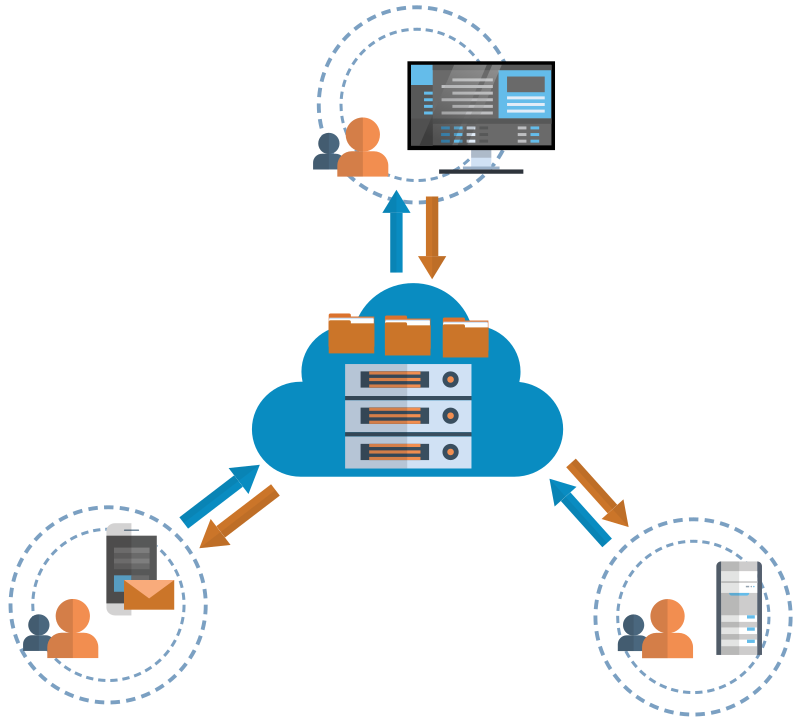
Every website lives on a server somewhere. How that server is shared — or not shared — decides how fast your website is, how much control you have and what you pay. The three most common options are shared hosting, a virtual private server (VPS) and a dedicated server.
Here is what each one means in plain language, and how to decide which is right for your business.
VPS: Your Own Flat With Its Own Meter
A virtual private server divides one powerful physical server into several isolated virtual machines. Each VPS has its own guaranteed share of processor, memory and storage, its own operating system and full administrator (root) access.
Good for: busy websites and online shops, web applications, custom business software, and anyone who needs specific server software or settings.
Trade-offs: it costs more than shared hosting, and someone has to manage the server — either your own IT team or a managed hosting provider.
Dedicated Server: The Whole House
A dedicated server is an entire physical machine reserved for you alone. Nothing is shared, so you get the maximum performance and complete control over hardware and software.
Good for: high-traffic platforms, resource-hungry applications and organisations with strict security or compliance requirements.
Trade-offs: the highest cost, and the server needs professional administration.
Side-by-Side Comparison
| Shared | VPS | Dedicated | |
|---|---|---|---|
| Cost | Lowest | Medium | Highest |
| Performance | Shared resources | Guaranteed resources | The whole server |
| Control | Limited | Full root access | Full, including hardware |
| Management | Done for you | You or a managed provider | You or a managed provider |
| Best for | Websites and email | Shops and web apps | Large platforms |
How to Choose: Five Questions
- What does the website do? Presenting your business needs far less power than processing orders or running business software.
- How many visitors do you expect? Steady, moderate traffic is fine on shared hosting; regular peaks call for guaranteed resources.
- Do you need special software? Custom applications, specific databases or scheduled background tasks usually require a VPS.
- Who will manage the server? If nobody on your team administers servers, choose shared hosting or a managed VPS.
- How critical is uptime? If an hour offline costs you real money, invest in resources and monitoring accordingly.
Beyond the Server: What Else to Check
- Backups — how often they run, how long they are kept and how quickly a restore happens.
- Security — SSL certificates, firewalls, malware scanning and timely updates.
- Support — who you can reach when something goes wrong, and how.
- Email — whether mailboxes on your own domain are included.
- Room to grow — how easily you can move to a bigger plan without rebuilding your website.
Many businesses start on shared hosting and move to a VPS once their website becomes a sales or service platform. Choosing a provider that offers both makes that step simple.